

Simple concept. Big lights. Gary Lineker fronting it, Richard Osman doing the numbers, Lee Mack and Angry Ginge adding the banter. Manchester Central packed. Global stream. What’s not to like? Plenty, if you’re the sort who actually watches darts rather than just the circus around it.
Netflix rolled the dice on our sport. Half a million quid on the line, one leg of 501, the world number one standing there like a fairground target, and twenty-odd hopefuls queuing up to take their shot.
The format was pure television gold and pure sporting jeopardy at the same time. Twenty challengers, each getting one leg against Luke “The Nuke” Littler.
First one to beat him walks away with £501,000 and the show ends there and then. Littler had to win twenty consecutive legs to keep the money off the table. No safety net. No best-of. Just one mistake and the teenager’s night was over.
For fourteen legs it looked like a procession. The bin man, the Nando’s manager, the teenage prospects, the Australian jockey — Littler swatted them aside with the casual brutality we’ve come to expect. A 12-dart finish here, a clinical checkout there.
The crowd roared, the cameras lingered, and the half-million stayed firmly in the bank. You could almost hear the producers exhaling.
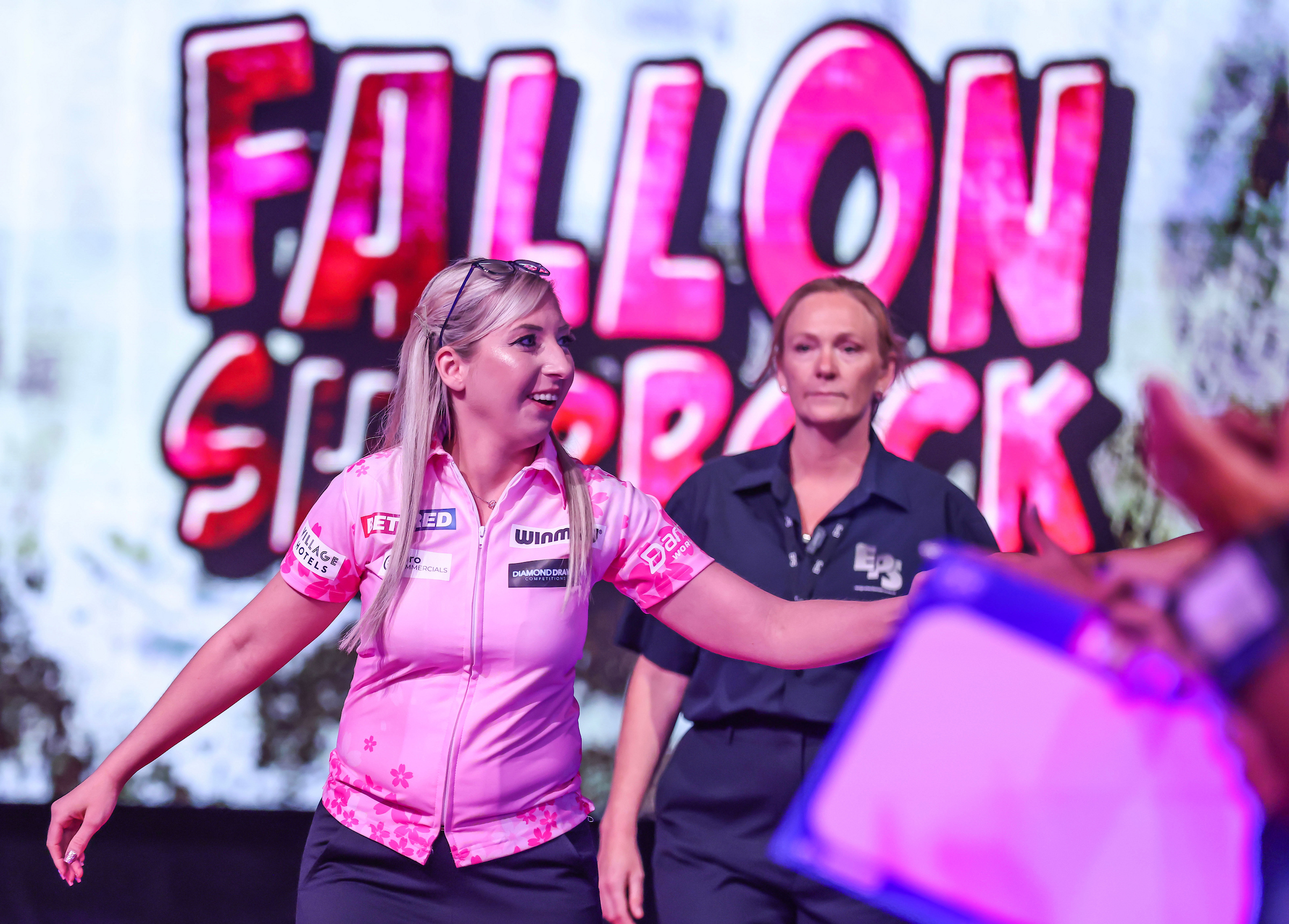
Then Fallon Sherrock walked out as the 15th challenger. Cue the collective eye-roll from large parts of the darts community. “Amateur”? The Queen of the Palace? The woman who has made multiple World Championship appearances, beaten men on the biggest stage, and remains one of the most recognisable faces in the sport even without a current PDC tour card?
“Calling her an amateur was like calling Phil Taylor a pub player because he no longer holds a card…”
Netflix and the producers knew exactly what they were doing. The pure lottery element of genuine unknowns was always going to be diluted the moment a name with real pedigree appeared. Sherrock didn’t care.
The Milton Keynes hairdresser won the bull, smashed in a 180, and after Littler left himself on 142 she eventually buried tops on her second dart. Fifteen darts. Game over. £501,000. The remaining five challengers, including highly rated youth talent Mitchell Lawrie, never even got to the oche.
Littler was gracious in defeat — “world class,” he called her performance — and even floated the idea of doing it all again next year. Fair play to him.
The Nuke has carried the game’s new era on his back for the best part of three years and still took on a high-risk, high-reward television experiment that could have left him looking foolish.
But let’s not kid ourselves; this was pure David versus Goliath. The early legs were often closer to exhibition than contest. Watching the world number one against someone who jumped out of a fake rubbish bin or those who looked like they’d rather be anywhere else is not compelling television for long.
The real drama only arrived when someone who actually knows how to throw under lights stepped up. That was the tightrope Netflix chose to walk. Darts is booming precisely because of characters like Littler and the accessibility of the sport. Somewhat like the huge projects undertaken by YouTubers such as ‘Mr Beast’ the payout is simply part of the production costs and is hoped to be recouped with viewing figures, new subscriptions and other commercial partnerships.
Put half a million in front of ordinary players, and the dream is irresistible. Water that down with what many may see as ‘ringers’, even popular, deserving ones like Sherrock — and the magic starts to fray.
Still, as pure spectacle, it worked. The show landed in Netflix’s top tens, the audience stuck around, and the sport got another global hit of mainstream attention.
Littler remains the biggest draw in the game. Fallon Sherrock cashed a life-changing cheque. And the mainstream audience got two and a half hours of arrows, banter and one genuine moment of chaos.
Whether they run it back in 2027 will depend on how Netflix weighs the ‘backlash’ against the numbers.
One thing is certain: if they do, the playing criteria may be a lot more tightly defined next time.
Images: PDC